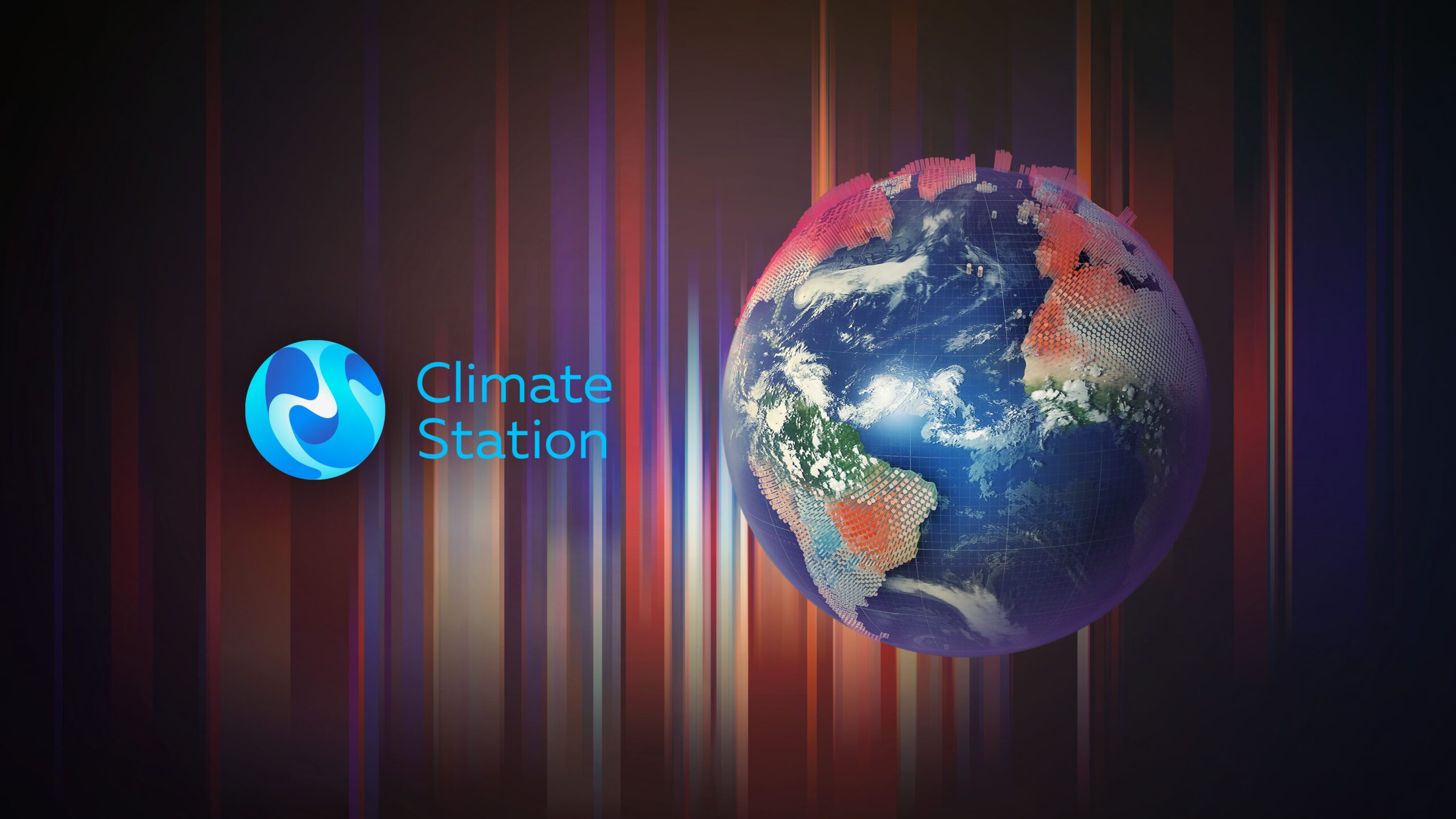
What if understanding climate change is not a lecture – but the journey you can do yourself? We are happy to introduce climate stations, new experiences that turn climate decades into interactive stories.
Developed by Sony Interactive Entertainment, as part of our collaboration with the United Nations playing for the Planet Alliance, Station Climate converts complex data into a deep interactive experience. Whether you are a curious explorer, a data detective, or just looking for something really unique to be dumped, this free application is available today on PS5 and PS VR2 is your gate to understand the forces that shape our world.
Utilizing the same technological innovation used in blockbuster games, climate station provides a smooth and visually rich experience. In PS5, you will navigate a fully interactive world, enlarged into climate events and data layers with dualsense controllers. In PS VR2, experience becomes more in -depth – reaches with your PS VR2 senses controlling and manipulating the earth itself.
You will interact with real scientific data, explore climate scenarios, and reveal the story behind numbers.
The climate station starts with a guided tour. When you finish each section, new features unlock – open more ways to play, explore, and uncover hidden stories behind the climate in four modes
Weather year
Watch the amazing beauty of the earth. Year of the weather is Timelapse Clouds and storms that are visually striking as the season’s progress, it feels like watching this planet from outer space. When the year was revealed, forest fires, tropical storms, floods, and drought appeared throughout the world, paired with human impacts and cost data. But outside of individual events, deeper images appear – cloud patterns, traces of storms, greenhouse gas, and transfer of sea ice gather to show the earth as a fragile and interconnected system.

Observation
Explore more than a century climate change using authoritative data from inter -government panels on climate change (IPPC). Interactive Globe revealed a shift in temperature from 1901 to today, with changes in the signing of a shining 3D pin for heating, blue for cooling. Click any PIN to unlock a detailed note from monthly numbers to long-term trends, including your own region. You will also access vital global indicators – carbon dioxide (co₂), sea heat, sea level rise – gives you a direct view of the evidence behind the current climate urgency.

Projection
In projections, explore five paths that may be formed by global emission decisions – from rapid reducing co₂ to the growth of not checked emissions. By using the model traded by IPCC, you will see how the temperature and impact paths are dramatically different in 2100. Risk trackers that are increasing extreme, drought, flooding, loss of biodiversity, critical points that cannot be changed, and more. Track vital signs such as sea level, sea heat, and ice mass below each scenario. Explore the Globes Milestone that shows how different the heating levels form the ecosystem, habitat, species, and critical systems – making clearly how the choice we make today determines the type of future that we will face tomorrow.

Explanation library
Cut noise with 90 minutes of content that can be accessed and led by experts. Library Explanation eliminates science behind climate change, from extreme weather mechanics to models used by scientists to understand the future. These videos break down complicated ideas into a clear and interesting insight -making the subject easier to understand than before.

Climate stations are invitations to understand the complexity of climate change and increase awareness. We hope you will enjoy your experience and find your own climate story.
For more information about climate stations, please visit:
Game Online
Motivation
News
Pendidikan
Pendidikan
Download Anime